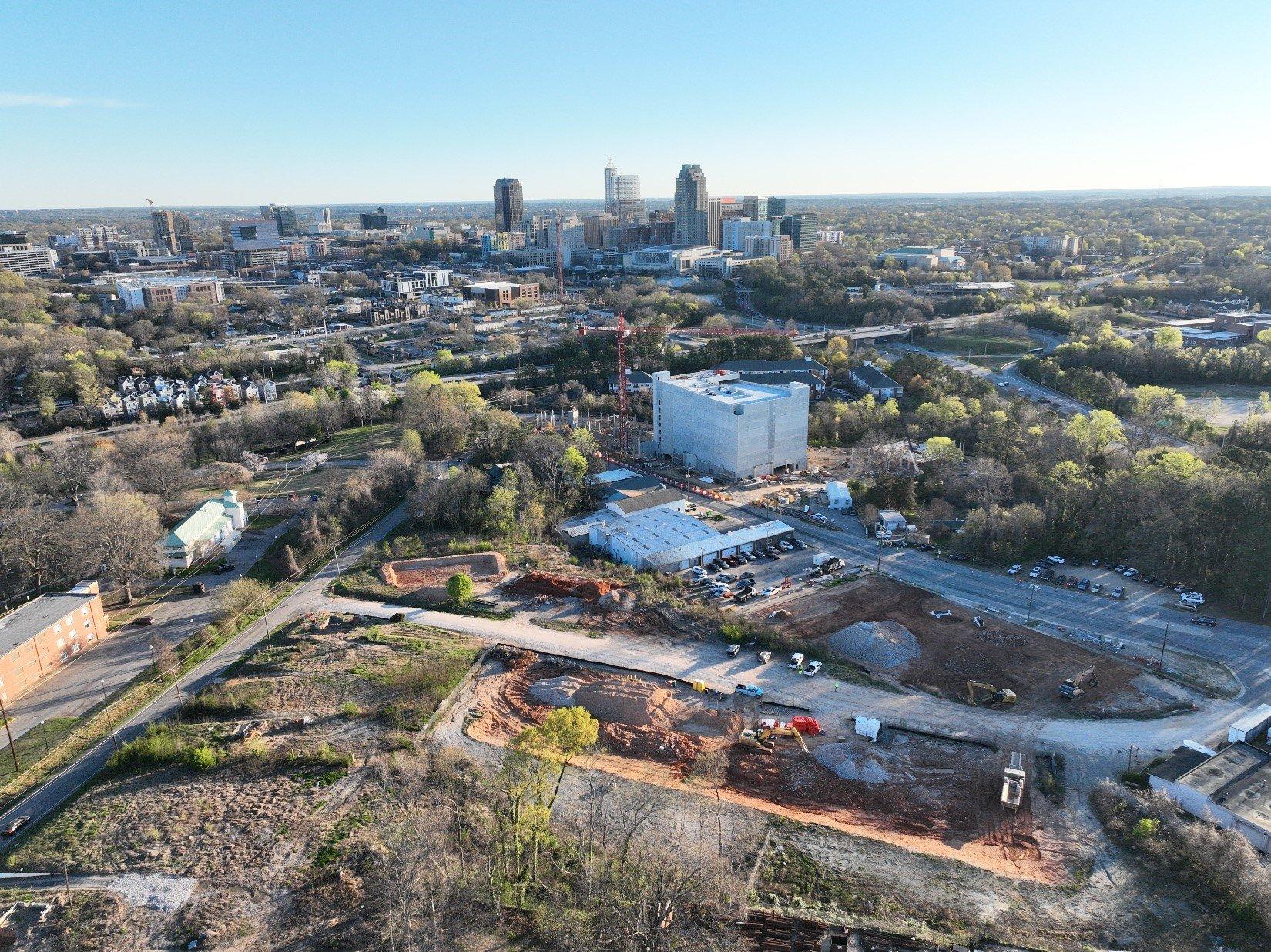
Opportunity Zones in Charlotte, NC
The City of Charlotte has 17 Qualified Opportunity Zones under the original 2018 (OZ 1.0) designation round. These zones remain in effect through December 31, 2028.
Under the Opportunity Zones 2.0 framework, the State of North Carolina will nominate a new round of Opportunity Zones in 2026, with those designations taking effect on January 1, 2027.
What Are Opportunity Zones?
Opportunity Zones are economically distressed communities designated at the census-tract level. U.S. taxpayers who reinvest eligible capital gains into Qualified Opportunity Funds that invest in Opportunity Zone property may qualify for several federal tax benefits.
How To Invest in Opportunity Zones
To qualify for the Opportunity Zone tax incentive, investors must reinvest eligible capital gains into a Qualified Opportunity Fund (QOF). The QOF must then deploy capital into qualified Opportunity Zone property or businesses located within designated census tracts.
Qualifying investments may include ground-up real estate development, substantial rehabilitation of existing property, or operating businesses structured as Qualified Opportunity Zone Businesses (QOZBs), provided all statutory and regulatory requirements are satisfied.
Charlotte Opportunity Zones Map
The interactive map below shows every designated Opportunity Zone in Charlotte. Click any zone for tract-level detail, or use the layer panel to explore rural and surrounding tracts.
Current Opportunity Zones in Charlotte (Designated 2018)
Charlotte's 17 Opportunity Zones are concentrated on the north and west sides of the city — along corridors including Beatties Ford Road, Rozzelles Ferry, North Tryon, and the North End — with an additional cluster around Eastland in east Charlotte.
The census tracts below were designated in 2018 under IRS Notice 2018-48 and correspond to 2010 U.S. Census tract boundaries. These OZ 1.0 designations remain in effect through December 31, 2028.
| County | Census Tract | Type |
|---|---|---|
| Mecklenburg | 37119001606 | Non-Rural |
| Mecklenburg | 37119001607 | Non-Rural |
| Mecklenburg | 37119001702 | Non-Rural |
| Mecklenburg | 37119003902 | Non-Rural |
| Mecklenburg | 37119003903 | Non-Rural |
| Mecklenburg | 37119004000 | Non-Rural |
| Mecklenburg | 37119004100 | Non-Rural |
| Mecklenburg | 37119004200 | Non-Rural |
| Mecklenburg | 37119004500 | Non-Rural |
| Mecklenburg | 37119004600 | Non-Rural |
| Mecklenburg | 37119004700 | Non-Rural |
| Mecklenburg | 37119004800 | Non-Rural |
| Mecklenburg | 37119005100 | Non-Rural |
| Mecklenburg | 37119005200 | Non-Rural |
| Mecklenburg | 37119005301 | Non-Rural |
| Mecklenburg | 37119005305 | Non-Rural |
| Mecklenburg | 37119005306 | Non-Rural |
Future OZ 2.0 Designations in Charlotte
On January 29, 2026, the U.S. Census Bureau released its five-year American Community Survey (ACS) estimates for the 2020–2024 period. These data determine which census tracts are eligible for Opportunity Zone designation under the OZ 2.0 framework.
Across the State of North Carolina, 814 census tracts meet the statutory median-family- income and/or poverty-rate thresholds. Under the 25 percent statutory cap, North Carolina may nominate up to 204 of those tracts, with new designations taking effect on January 1, 2027.
See our analysis of the OZ 2.0-eligible tracts for the full methodology, or explore the eligible tracts on the interactive Opportunity Zones map.
Investments in North Carolina