
Treasury Designates 6,576 Opportunity Zones for OZ 2.0, Effective Jan. 1, 2027
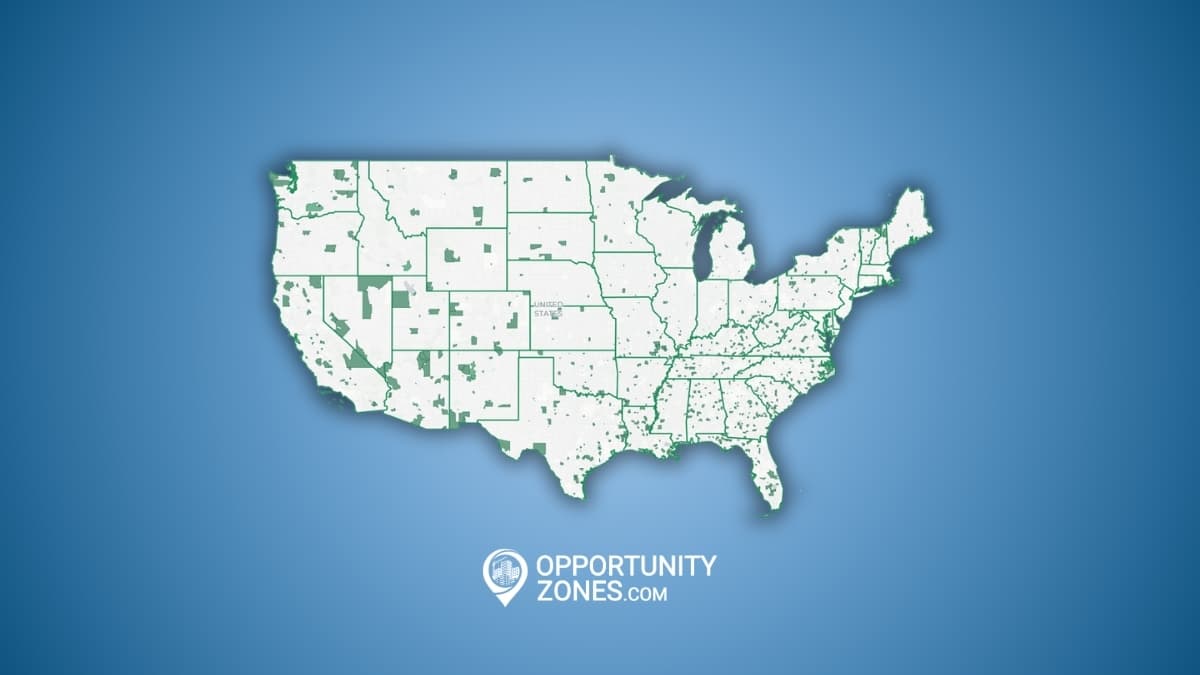
The U.S. Department of the Treasury and the IRS announced Thursday that 6,576 census tracts across all 50 states, the District of Columbia, and the U.S. territories have been designated as Qualified Opportunity Zones for the program's second round. The new designations take effect January 1, 2027, and will remain in place for ten years.
Every tract nominated by governors made the final list. Of the 6,576 designated tracts, 2,594—or 39.4%—are rural, according to Treasury. Those tracts can qualify for enhanced rural tax incentives under the new law.
The key numbers
- 6,576 census tracts designated for OZ 2.0, including every nomination submitted during the statutory window.
- 2,594 rural tracts, representing 39.4% of the new designations.
- January 1, 2027 effective date, with designations lasting through December 31, 2036.
- 25,332 tracts on Treasury's original April 6 eligibility list, including 8,334 rural tracts; in September, Treasury recognized an additional 128 census tracts in 32 jurisdictions as eligible for nomination under an Alternate Framework, bringing the nationwide total of OZ 2.0-eligible tracts from 25,332 to 25,460.
- More than $110 billion in private investment attracted by the Opportunity Zone incentive since 2017, according to Treasury.
A smaller, more targeted map
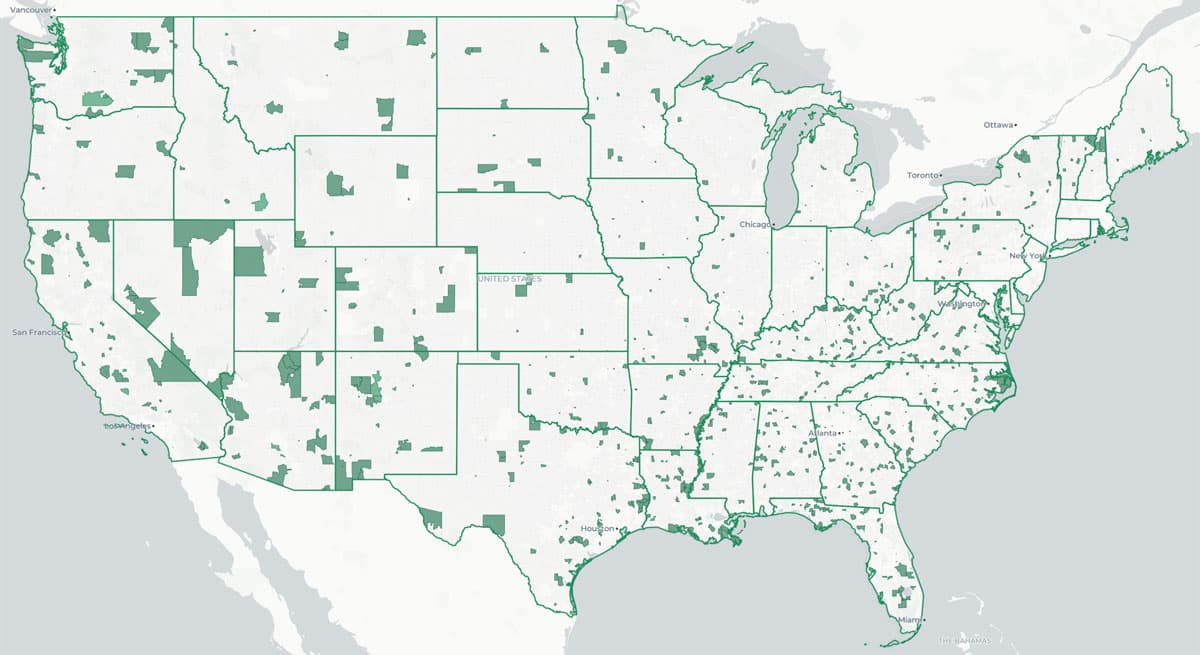
OZ 2.0 has roughly one-quarter fewer designated census tracts than the original program. The 2018 round produced 8,764 Opportunity Zones; the new map contains 6,576, a reduction of 2,188.
States were again generally limited to selecting 25% of their eligible census tracts, or 25 tracts if that number was greater. But the 2025 tax law tightened eligibility standards and eliminated the option to designate certain contiguous tracts, reducing the pool from which governors could choose.
The One Big Beautiful Bill Act made the Opportunity Zone incentive permanent, enhanced benefits for rural investments, and established a process for redesignating zones every ten years. Thursday's announcement completes the first redesignation round.
Treasury Secretary Scott Bessent said the permanent renewal gives investors and local leaders "the long-term certainty they need to commit capital to communities that have been overlooked for too long."
Rural zones gain share, but lose 715 designations
The OZ 2.0 map is slightly more rural than the original—but there are fewer rural zones in absolute terms.
Rural tracts account for 39.4% of the new designations, up from 37.8% in OZ 1.0. The original round included 3,309 rural tracts out of 8,764 total, according to IRS Notice 2025-50.
Despite that increase in share, the number of rural designations fell from 3,309 to 2,594—a loss of 715 rural tracts, or about 22%. Non-rural designations fell even faster, from 5,455 to 3,982, a decline of about 27%. In other words, rural zones make up a larger slice of a substantially smaller map.
Governors also selected a more rural mix than the initial eligible pool would suggest: rural tracts made up 32.9% of Treasury's April eligibility list, compared with 39.4% of the final designations.
That national result contrasts with the early returns. In October, our analysis of the first 12 states to publish nomination lists found a less rural mix than in those states' 2018 designations, with particularly sharp pullbacks in Texas, Idaho, and Colorado. The full set of designations reverses that early national picture: the final OZ 2.0 map has a modestly higher rural share than OZ 1.0.
The distinction matters. Lawmakers made rural investment more attractive, and rural communities gained representation as a percentage of designated zones. But that does not mean more rural census tracts received the designation. Nationally, 715 fewer did.
How we got here
Treasury released its eligible tract list on April 6. Governors and the mayor of the District of Columbia could begin submitting nominations on July 1. Most jurisdictions submitted their lists by the September 28 deadline, while others used a 30-day extension through October 28.
Treasury's announcement names the final designations for all 56 jurisdictions, well ahead of its late-December certification deadline.
Two off-list tracts made the cut
Treasury also designated two nominated tracts that did not appear on its published eligibility lists:
- Hawaii: Census tract 15009031404 in Maui County, a rural tract
- New York: Census tract 36081017101 in Queens County, a non-rural tract. Its inclusion brings New York to 430 Opportunity Zones, one above its stated cap of 429.
Explore the new Opportunity Zones
We've updated our tools to help investors, developers, and community leaders explore the final OZ 2.0 designations:
- Opportunity Zones Map: Search an address or browse OZ 2.0 tracts nationwide, including rural designations.
- OZ 2.0 State Tracker: Compare the new tract counts in every state and territory with their original 2018 designations.
- OpportunityZones.com Mobile App: Explore the map on your phone, check whether your current location is in an Opportunity Zone, save tracts, and browse OZ investments and news. The app is free for iPhone and Android. Download for iPhone on the App Store or get the Android app.
The official list and map are also available from the CDFI Fund. Read Treasury's full press release.
What it means for investors
With the new map finalized, investors and their advisors can identify which properties and businesses are located in OZ 2.0 tracts before the designations take effect on January 1. For fund sponsors and developers, the announcement removes a major uncertainty from site selection, acquisition planning, and capital raising.
Investments in Qualified Opportunity Funds made beginning in 2027 generally fall under the new OZ 2.0 rules. Eligible capital gains can be deferred until the earlier of an inclusion event or five years after the qualifying investment. Investors who hold their qualifying investment for at least five years receive a 10% basis step-up, while investors in a qualifying Qualified Rural Opportunity Fund (QROF) can receive a 30% step-up. Qualifying investments held for at least ten years can also benefit from an exclusion of post-investment appreciation.
Rural zones have another advantage for property development: the substantial improvement requirement for qualifying property in a rural Opportunity Zone is reduced from 100% to 50% of the property's adjusted basis, excluding land. That reduced threshold has been in effect since July 4, 2025. Importantly, the 30% investor basis step-up is tied to qualifying QROF investments, not simply to owning property in a rural tract.
The transition does not erase OZ 1.0 overnight. The original 2018 designations remain in effect through December 31, 2028, and existing qualifying investments may continue to receive the long-term appreciation exclusion. But IRS Notice 2026-40 generally restricts the qualification of property acquired after 2026 in a tract that was designated only under OZ 1.0, subject to limited transition exceptions. Investors and sponsors should distinguish the status of existing investments from the eligibility of new projects.
The final map also creates different outcomes for communities. Some retain their designation, others join the program for the first time, and others will not be part of the next ten-year round. For sponsors planning new projects, confirming a tract's OZ 2.0 status is now a critical first step.
To explore offerings currently open to investors, visit the OZ Investment Marketplace.